



- By YIKONG
- 2026-09-07 16:22:55
- Technical
AGV Types and Selection Guide: How to Choose the Right AGV
Automated Guided Vehicles (AGVs) have become an important part of modern manufacturing and intralogistics. They automate material transportation between production lines, warehouses, workstations, and storage areas, helping manufacturers improve efficiency, safety, and operational flexibility.
With so many AGV configurations available, choosing the right solution can be challenging. A practical way to understand AGVs is to look at two fundamental aspects:
How does the AGV handle materials?
How does the AGV navigate?
This guide introduces the common types of AGVs, the major navigation technologies, and the key factors to consider when selecting an AGV for an industrial application.
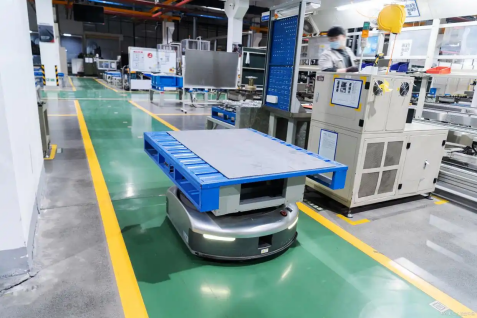
1. Common Types of AGVs by Material Handling Method
The material handling method determines how an AGV interacts with the load and what type of application it is suitable for.
Under-Ride Lift AGV
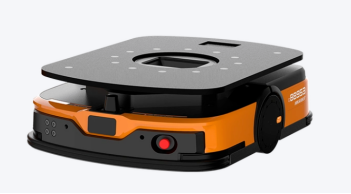
Lift AGVs are widely used in automated warehouses and material handling systems.
The vehicle moves under a storage rack and uses a lifting system to raise the rack. It then carries the rack to the required location.
Typical load capacity is between 0.5 and 2 tons.
These vehicles are commonly used in warehouse automation, distribution centers, factory logistics, and storage systems.
Towing AGV

Towing AGVs move materials by pulling one or more carts behind the vehicle.
They are suitable for long distance material transport, factory logistics, and applications where several carts need to move together.
Towing AGVs can provide high transport efficiency in factories with stable transport routes.