


- By YIKONG
- 2026-09-22 13:59:19
- Technical
Practical Gearbox & Servo Sizing for Non-Standard Automation
In non-standard automation, gearboxes and servo motors are everywhere: one mounted behind every servo axis, one behind every general-purpose motor, and yet another next to every roller conveyor drive. Yet many engineers size them only by
gear ratio and torque, ignoring the overall motor–gearbox match — and once the machine reaches the site, problems surface: excessive backlash, overheating, and a service life far below expectations. Drawing on years of lessons learned from non-standard projects and the application experience of TEC servo motors (Yikong Intelligent / E-KONG), this article lays out the complete motor-plus-gearbox selection process.
1. Know the Four Gearbox Types Before Choosing
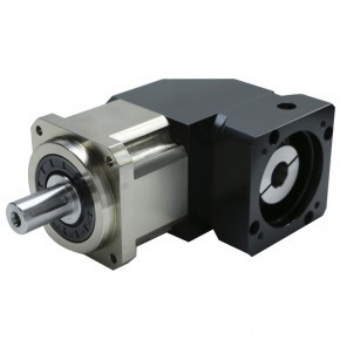
There are roughly four common gearbox types, each with its own boundaries. Pick the wrong type and even the most expensive brand cannot rescue the design.
1.1 Planetary Gearbox — the all-rounder for precision positioning
Backlash is low — single-stage units can reach within 3 arc-minutes; efficiency is high, typically ≥95%; rigidity and service life are excellent. The trade-off is a relatively high price and weaker overload capacity. It suits robot joints, semiconductor equipment, CNC turrets and other precision-positioning applications. Pairing it with a drive source such as the TEC servo motor — up to 5000 rpm with extremely low torque ripple — fully unlocks the precision-positioning advantage.
1.2 Worm Gearbox — strong on high ratios and self-locking
Ratios can reach 100:1 or higher, with reverse self-locking that prevents back-driving after power-off. The downside is low efficiency, typically ≤60%, and noticeable heat buildup during long runs. It is ideal for lifting mechanisms, gates, and any application requiring a dead-man lock.