



- By YIKONG
- 2026-05-08 10:08:44
- Company News
Ground Technical Requirements for AGV, CTU, and Automated Warehouse Systems in Automotive Manufacturing
In the logistics automation upgrade of discrete manufacturing industries such as automotive production, the floor serves as the "invisible foundation" for equipment including AGVs, CTUs, and multi-shuttle storage systems. The precision of floor engineering directly determines system stability, equipment lifespan, and operational efficiency. As a solution provider deeply engaged in the intelligent logistics industry, Yikong Intelligent has recognized through extensive project experience that floor quality is one of the most critical prerequisites for ensuring the long-term stable operation of automated systems. Taking typical automotive factory scenarios as reference, this article systematically analyzes the key technical indicators and implementation requirements for automated logistics flooring from a practical engineering perspective.
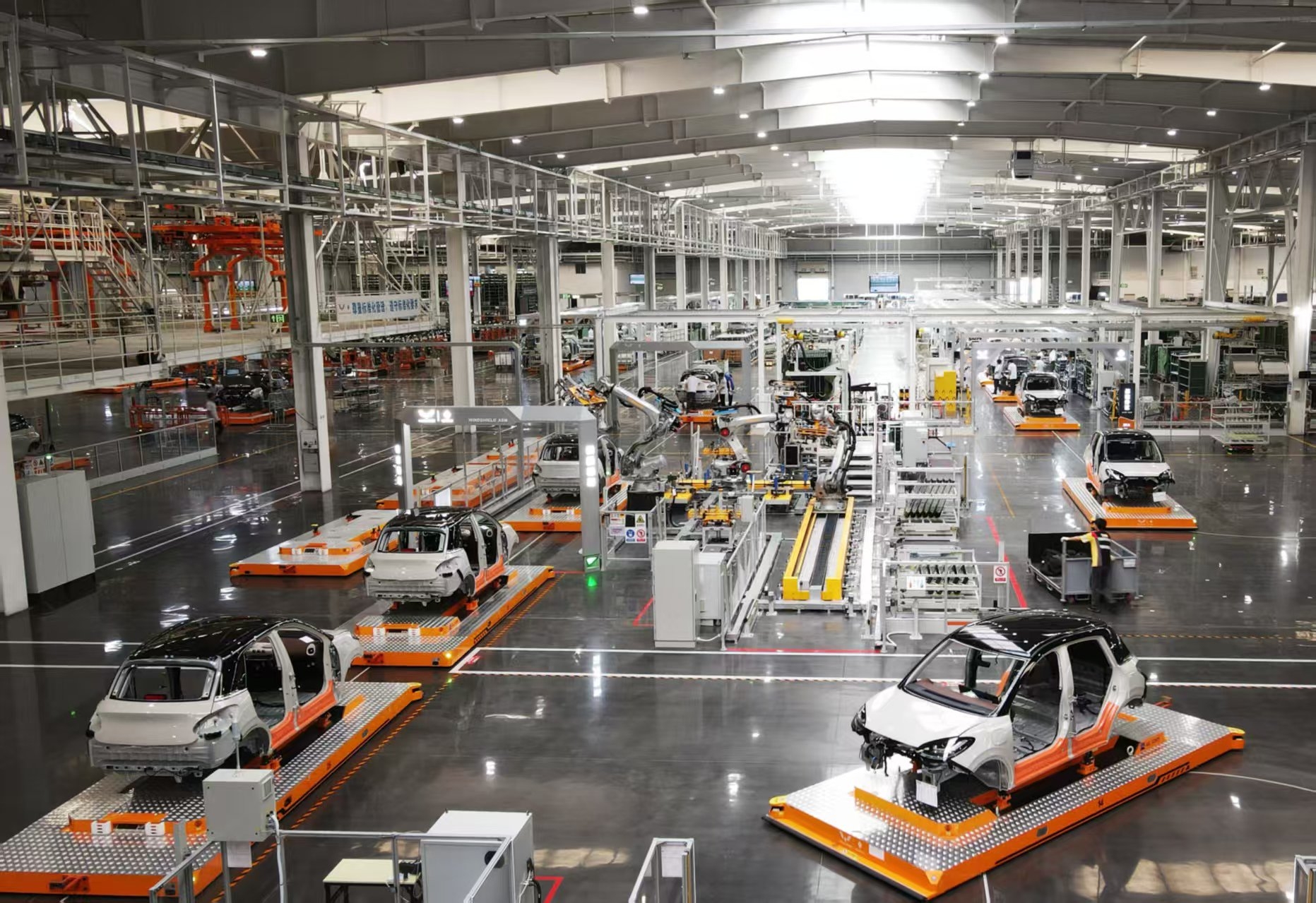
1. Floor Technical Requirements for AGV Applications
AGVs rely on the floor for traveling, navigation, and docking. The flatness, slope, and friction characteristics throughout traffic lanes and storage areas collectively determine navigation accuracy, braking safety, and operational smoothness.
1.1 Floor Flatness and Surface Undulation
AGV navigation and motion control are highly sensitive to floor irregularities. Excessive local undulation may cause wheel suspension, laser navigation deviation, or even emergency shutdowns.
Control Standard
The maximum floor undulation within a 1 square meter area should be 3 mm or less.
Technical Principle
Using a 2-meter straightedge and feeler gauge within each 1 square meter measurement area ensures that all drive wheels and caster wheels maintain effective ground contact during AGV operation, preventing uneven point loading that may result in equipment damage or operational failure.
1.2 Step Height Control
Floor steps are a common source of AGV operational failures. Excessive step height can generate impact loads on suspension systems and drive motors while disrupting floor continuity.
Control Standard
Maximum allowable floor step height: 5 mm or less.
Technical Requirements
For transition areas such as new-to-old floor interfaces and equipment foundation joints, ramp transitions should be adopted. Transition slopes must meet AGV passability requirements to avoid direct impacts caused by hard steps.
1.3 Floor Slope Requirements
Floor slope directly affects AGV traveling speed, braking distance, and positioning accuracy.
General Traffic Lanes
Maximum allowable slope: 0.05 or less (slope angle within 3 degrees). This prevents wheel slippage during climbing and insufficient braking distance during descending.
Precision Docking Points
Maximum allowable slope: 0.017 or less (slope angle within 1 degree). This ensures AGV docking accuracy with production lines and storage racks remains within process tolerances.
1.4 Groove Width and Joint Treatment
Floor expansion joints and reserved equipment gaps are potential obstacles for AGV operation.
Groove Width Control
Maximum allowable groove width: 8 mm or less. Grooves are strictly prohibited at AGV stopping positions to prevent wheel trapping, rollover, or drive wheel damage.
Joint Treatment Requirements
Height difference on both sides of joints along AGV travel paths should be less than 1.5 mm. Joint edges must be polished smoothly and free from cracking to ensure stable passage across joints below 5 mm.
1.5 Friction Coefficient and Cleanliness Requirements
AGV braking safety depends on sufficient friction between wheels and the floor.
Friction Coefficient Requirement
Floor friction coefficient should be 0.5 or higher. Water accumulation, oil contamination, sand, or debris that may reduce friction are not allowed.
Floor Cleanliness
Daily maintenance must keep the floor clean and dry to avoid extended braking distances and collision risks caused by oil or water contamination.
1.6 Floor Strength and Hardness
Dynamic Load Requirement
Floor dynamic load capacity should exceed the AGV rated load by at least 30 percent, subject to site-specific verification.
Settlement Control
Under maximum load, differential settlement should remain below 1/1000 to prevent excessive slope and flatness deviation caused by settlement.
Hardness Requirement
Floor surface hardness should meet at least C30 concrete standards to ensure long-term wear resistance and structural stability under heavy-duty operation.
2. Floor Technical Requirements for CTU Applications
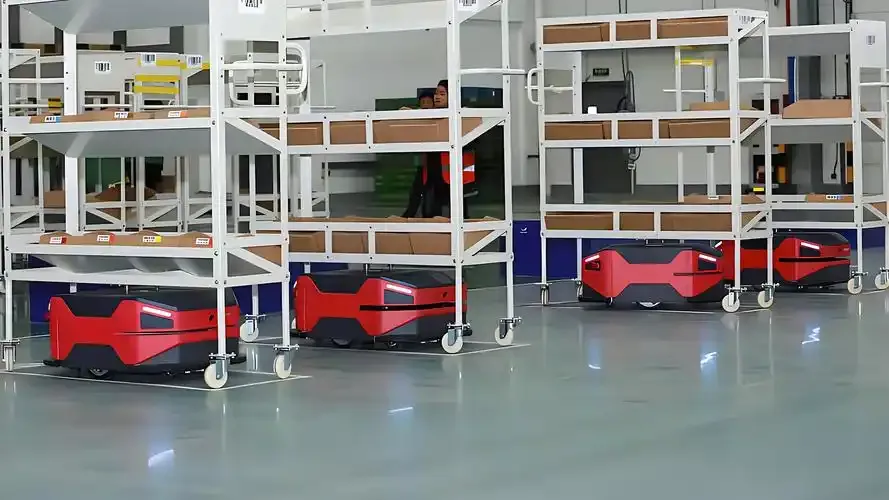
CTUs (Container Transfer Units) are mainly used in high-bay warehouses and spare parts storage systems. They require higher standards of floor flatness, strength, and friction coefficient to ensure high-speed movement and precise positioning.
2.1 Application Area
In this project, CTU flooring mainly covers the second-floor spare parts warehouse area of the final assembly workshop, which serves as the high-frequency CTU operation zone.
2.2 Key Technical Indicators
(1) Floor Flatness and Surface Undulation
Due to the high-speed travel and precise rack docking requirements of CTUs, stricter standards are adopted.
Control Standard
Floor undulation tolerance: plus or minus 3 mm within a 2.25 square meter area (1.5 m x 1.5 m).
Technical Significance
This ensures continuous wheel-floor contact during high-speed operation in rack aisles, reducing vibration, positioning deviation, and rack collision risks.
(2) Slope, Step, and Groove Control
Floor Slope
Maximum allowable value: within 2 degrees.
Step Height
Maximum allowable value: 3 mm or less.
Groove Depth
Maximum allowable value: 7 mm or less.
These requirements prevent wheel slippage, braking failure, wheel trapping, or equipment rollover.
(3) Friction Coefficient and Floor Strength
Friction Coefficient
Floor friction coefficient should be 0.45 or higher to ensure stable braking during high-speed acceleration and deceleration.
Floor Strength
Floor compressive strength should be 40 MPa or higher, exceeding AGV floor requirements to support long-term heavy-duty CTU operation.
3. Floor Technical Requirements for Multi-Shuttle Warehouses, Finished Goods Storage, and AGV Hybrid Scenarios
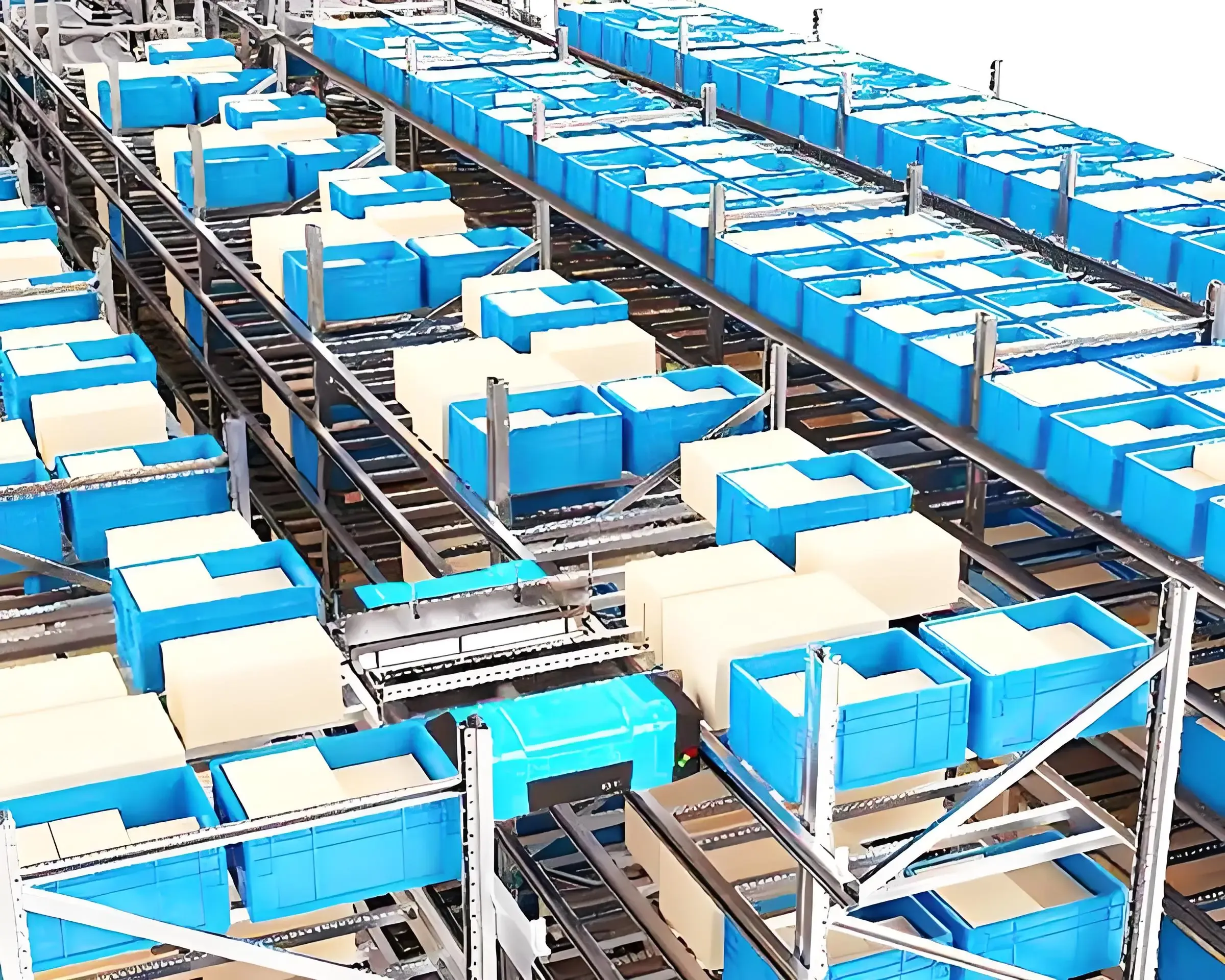
The first floor of the final assembly workshop simultaneously supports multi-shuttle warehouse systems, finished goods storage, and AGV transportation, forming a typical hybrid automation logistics environment. In Yikong Intelligent's project practice, unified high-standard floor control is usually adopted to meet the combined requirements of warehousing and transportation